What is the difference between medical cannabis and cannabis bought on the street?
Both are cannabis. Beyond that the two are not really comparable — not because one is stronger, but because with one you know what you are taking and with the other you do not.
The short answer
- Legality: prescribed cannabis is lawful to possess. Buying cannabis without a prescription is a criminal offence.
- Known composition: a prescribed product has a stated cannabinoid content. Illicit cannabis has no reliable label at all.
- Purity: medicines are batch-tested for pesticides, heavy metals and microbial contamination. Illicit cannabis is tested by nobody and may contain mould, pesticides, heavy metals or other contaminants.
- UK drug-checking data: of 1,635 cannabis samples submitted to WEDINOS, 42.5% contained no naturally occurring cannabinoids and 26.6% contained synthetic cannabinoid receptor agonists.
The four real differences
People often assume the difference is potency or quality of the plant. The differences that actually matter are legality, knowing the composition, contamination testing, and having a clinician involved.
| Prescribed medical cannabis | Cannabis bought illicitly | |
|---|---|---|
| Legal status | Lawful to possess for the patient it was prescribed to | Class B controlled drug; possession is a criminal offence |
| Composition | Stated THC and CBD content, consistent between batches | Unknown and variable; no reliable label |
| Contaminant testing | Batch-tested for pesticides, heavy metals, solvents and microbial contamination | None |
| Manufacturing standards | Cultivated and produced to recognised pharmaceutical quality standards | Unregulated; conditions unknown |
| Who decides the dose | A GMC-registered specialist, with review and monitoring | The person taking it, with no information to go on |
| Traceability | Batch number, certificate of analysis, pharmacy record | None |
| If something goes wrong | Clinician and pharmacist to contact; adverse reactions can be reported to the MHRA | Nobody |
| Driving | Statutory medical defence may apply to the blood-limit offence if taken as prescribed | No defence available |
You cannot dose what you cannot measure
The most underrated difference is simply knowing what is in it. A prescribed product carries a stated cannabinoid content, so a clinician can start at a low dose and adjust in steps.
Illicit cannabis gives you none of that. Potency varies between batches from the same source, and the names attached to it carry no verified meaning. That makes deliberate, consistent dosing impossible, which matters more for someone managing a long-term condition than for anyone else — you cannot tell whether a bad week was your condition, your dose or your supply.
What UK drug-checking data found
A 2025 analysis of 1,635 cannabis product samples submitted to WEDINOS, the UK drug-checking service based in Wales, found that 42.5% contained no naturally occurring cannabinoids at all, 38.2% contained a psychoactive adulterant, and 26.6% contained synthetic cannabinoid receptor agonists.
Synthetic cannabinoids are not cannabis. They are unrelated compounds that act far more powerfully on the same receptors, and they are associated with severe and unpredictable effects including seizures, psychosis, collapse and death. A separate 2025 study found them in illicitly sourced disposable vapes sold as cannabis products.
One caveat, in fairness to the data: WEDINOS samples are submitted voluntarily, often by people who already suspected something was wrong with what they bought. They are not a random sample of the UK market, and the true rate across all illicit cannabis is likely lower. Even allowing generously for that, the scale of the finding is hard to dismiss — and there is no way for a buyer to tell an adulterated batch from a genuine one.
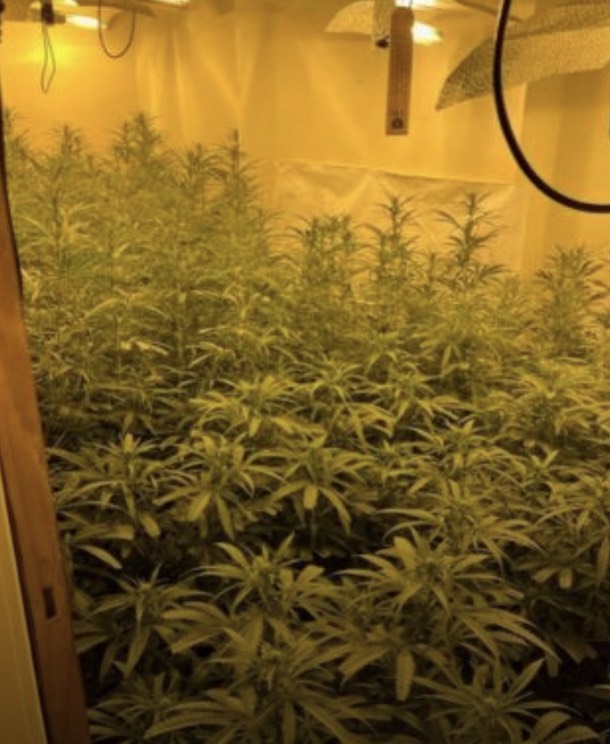
Other contaminants documented in illicit cannabis include pesticide residues, heavy metals from poor cultivation, moulds and bacteria from damp storage, and inert material added to increase weight.
What "pharmaceutical standard" means
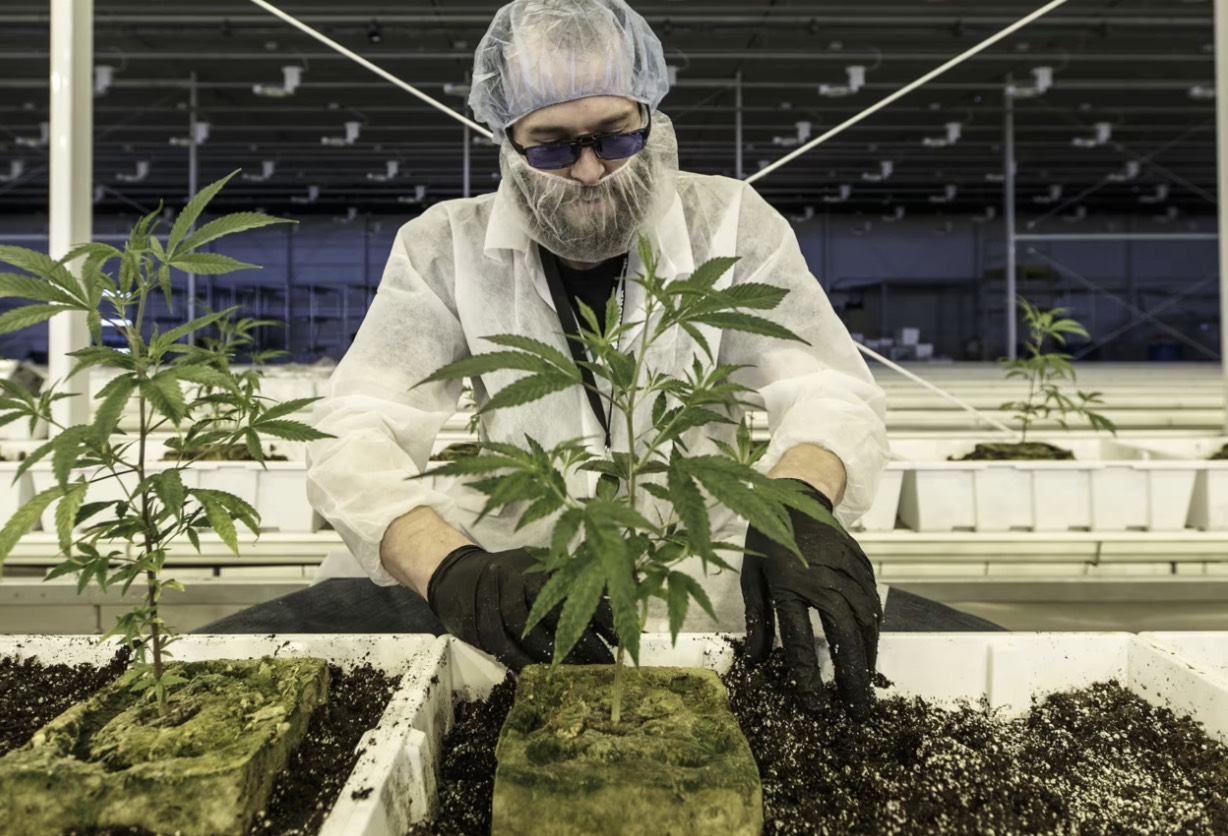
Cannabis-based medicines supplied in the UK are cultivated and manufactured under recognised quality standards, and each batch is tested before it can be released.
In practice that means controlled growing conditions with documented inputs; testing of every batch for cannabinoid content, pesticides, heavy metals, residual solvents and microbial contamination; a certificate of analysis tied to a batch number; and an audit trail from producer to pharmacy to you. MHRA guidance sets out the requirements for the supply, manufacture, importation and distribution of unlicensed cannabis-based products for medicinal use, and pharmacies dispensing them are regulated by the General Pharmaceutical Council.
None of this makes the medicine remarkable. It makes it a medicine — the same assurances that apply to anything else dispensed by a pharmacy.
The clinician is part of the difference
A prescription brings a specialist who assesses whether treatment is appropriate, sets a starting dose, checks interactions with your other medicines, monitors side effects and reviews whether it is actually helping.
That is the part that cannot be replicated by buying better cannabis. Self-medicating means nobody is checking your treatment against your other prescriptions, nobody is watching for side effects, and there is no point at which someone asks whether this is working well enough to justify continuing.
What medical cannabis is not
It is not risk-free, and treating it as harmless because it is prescribed would be a mistake.
The same side effects apply — drowsiness, dizziness, dry mouth, effects on memory and concentration, and for some people anxiety or low mood. THC-containing medicines carry a recognised risk of dependence. The psychiatric risks in people vulnerable to psychosis do not disappear because a doctor wrote the prescription. Smoking any cannabis, prescribed or not, damages the lungs, and UK clinicians do not advise it. And driving while impaired remains an offence.
The honest summary is that prescribing removes the risks that come from not knowing what you are taking, and manages the risks that are inherent to the medicine itself. It does not eliminate them.
The legal difference is not a technicality
Possession of cannabis without a prescription is a criminal offence in the UK, whatever your medical reason for wanting it.
A conviction can affect employment, professional registration, insurance and travel to some countries. A prescription in your name makes possession lawful for you alone — sharing it with anyone else, even a family member with the same condition, is supply of a controlled drug and is treated far more seriously than possession.
If you are currently using illicit cannabis and considering a medical route, say so during your assessment. Clinicians hear it constantly, they are not there to judge you, and it is directly relevant to your tolerance, your safety and the plan they build.
Frequently asked questions
What is the difference between medical cannabis and street cannabis?
Four things. Legality: prescribed cannabis is lawful for the patient it was prescribed to, while buying cannabis without a prescription is a criminal offence. Composition: a prescribed product has a stated, tested cannabinoid content, whereas illicit cannabis has no reliable label. Purity: medicines are manufactured under pharmaceutical standards and batch-tested for pesticides, heavy metals and microbial contamination. Oversight: a specialist sets the dose, monitors side effects and reviews whether the treatment is working.
Is street cannabis really contaminated?
Often, yes. An analysis of 1,635 cannabis product samples submitted to the UK drug-checking service WEDINOS found that 42.5% contained no naturally occurring cannabinoids at all, 38.2% contained a psychoactive adulterant, and 26.6% contained synthetic cannabinoid receptor agonists — substances associated with far more severe and unpredictable effects than cannabis. These samples were submitted voluntarily, often by people who suspected a problem, so they are not a random sample of the market, but the scale of the finding is striking.
Is medical cannabis stronger than street cannabis?
Not necessarily, and strength is the wrong comparison. A prescribed product states its THC and CBD content, so a clinician can start low and adjust deliberately. With illicit cannabis the content is unknown and varies batch to batch, so consistent dosing is impossible even when the plant material is genuine.
Is medical cannabis safer than street cannabis?
It is more predictable and it is legal, which removes several categories of risk — unknown potency, contaminants, adulteration with synthetic cannabinoids, and criminal liability. It is not risk-free. The same side effects, interactions, dependence potential and driving implications apply, which is precisely why it is prescribed and monitored rather than sold.
Can I use street cannabis while waiting for a prescription?
Buying cannabis without a prescription is a criminal offence, and you should tell your clinician honestly about any current use — it affects tolerance, safety and the treatment plan. Continuing to use illicit cannabis alongside a prescription also undermines the point of prescribing, because neither you nor your clinician can tell what is producing which effect.
Sources and further reading
Every factual statement on this page is drawn from the following public sources. Links open in a new tab and are not affiliated with Flora House.
- Prevalence and Patterns of Cannabis Product Adulteration: An Analysis of WEDINOS Data (Journal of Psychoactive Drugs, 2025)
- WEDINOS — Welsh Emerging Drugs and Identification of Novel Substances
- Addiction (2025): Detection and quantification of synthetic cannabinoids in illicitly sourced disposable vapes
- NHS: Medical cannabis (and cannabis oils)
- Talk to FRANK: Cannabis
- MHRA: The supply, manufacture, importation and distribution of unlicensed cannabis-based products for medicinal use
- General Pharmaceutical Council
- The Misuse of Drugs Regulations 2001 (legislation.gov.uk)